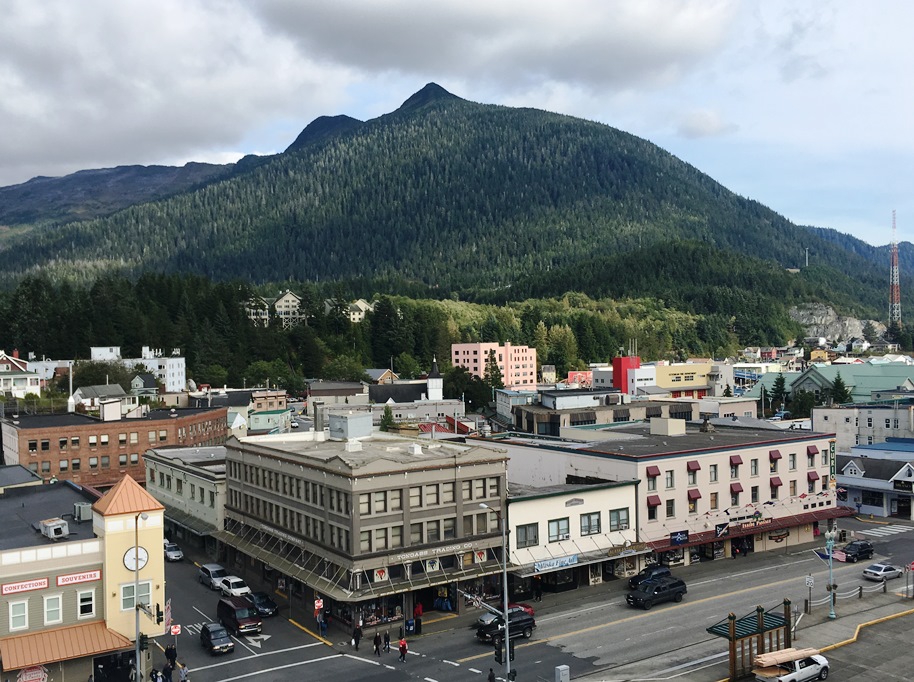
The presentation at Southeast Conference’s economic summit in Ketchikan last week largely compared changes from 2024 to 2025. Job growth was most prominent in the seafood, tourism, private health care and construction sectors, with almost 600 total jobs added throughout the region. Petersburg led the way in job growth, largely because of seafood processing jobs.
Meilani Schijvens is the owner of the Juneau-based research and consulting firm Rain Coast Data and led the presentation. She said the region’s seen sustained job growth over the last six years.
“This means that not only were we able to erase all the losses that we experienced during 2020 during the pandemic year, we lost nearly 6,000 jobs,” Schijvens said. “They all came back, and we’ve added to them, which means – drum roll, please. We are at our peak jobs ever in Southeast Alaska.”
The region’s top sector, tourism, accounted for 19% of all of Southeast Alaska’s jobs last year. The industry grew in both wages and employment, despite little increase in visitors to the region. Cruise ship passenger counts in Southeast this year increased by an estimated 10.7%, and is expected to reach over 2 million passengers for the first time next year.
But job growth wasn’t across all industries. Employment declined in the government sector by about 1% last year. Schijvens said that’s a change from the year prior, when employment in the government sector increased.
“Last year, I was so excited because every single form of our five different sectors of government were up,” Schijvens said. “This sector, unfortunately, small declines. But municipal, tribal, federal, and state jobs were down. Coast Guard was up.”
And while overall Southeast job growth was up last year, the region’s population is largely declining. The population fell by about 20 people last year and has decreased by about 4,000 people in the last decade. The Alaska Department of Labor and Workforce Development projects that Southeast will lose about 15,000 residents, or 22% of the region’s total population, by 2055.
Schijvens said in the last decade, the working age population has declined by 5,700 people, even as total jobs have increased. And the senior population has grown by 4,000 people. Schijvens said this widens the gap between Southeast’s workforce supply and demand.
“We’ve got more jobs than ever. We’re doing great on jobs, but we just need enough people here to fulfill the jobs,” Schijvens said. “And so the way to do that is non-resident workforce.”
According to the latest data, 31% of Southeast Alaska’s workforce are non-residents. And seafood processing was the top sector for non-residents. Schijvens said non-residents make about 15% of wages in the region.
And wages in the region last year also reached a new high, growing by 7% and outpacing inflation. Construction wages grew the most, increasing by 14%.
And while Southeast Alaska last year built the most housing it’s seen in about a decade, Schijvens said housing is still the region’s number one priority going forward. That’s according to a five-year strategic plan developed by Southeast Conference. Other top priorities include meeting childcare needs and strengthening the ferry system.
Schijvens said the region also needs to invest in its schools and social services that keep working-age families here.
“We need to strengthen the local businesses that support our communities,” Schijvens said. “We need to attract new residents and make it easier for young people to return home. And we need to celebrate our quality of life and recreation opportunities.”
Other priorities listed in the strategic plan include further developing markets for Alaska seafood, supporting local tourism ownership, and reducing energy costs.
Hunter Morrison is a Report for America corps member for KRBD. Your donation to match our RFA grant helps keep him writing stories like this one. Please consider making a tax-deductible contribution.